Non-invasive neuromuscular electrostimulation to control oedema and prevent DVT
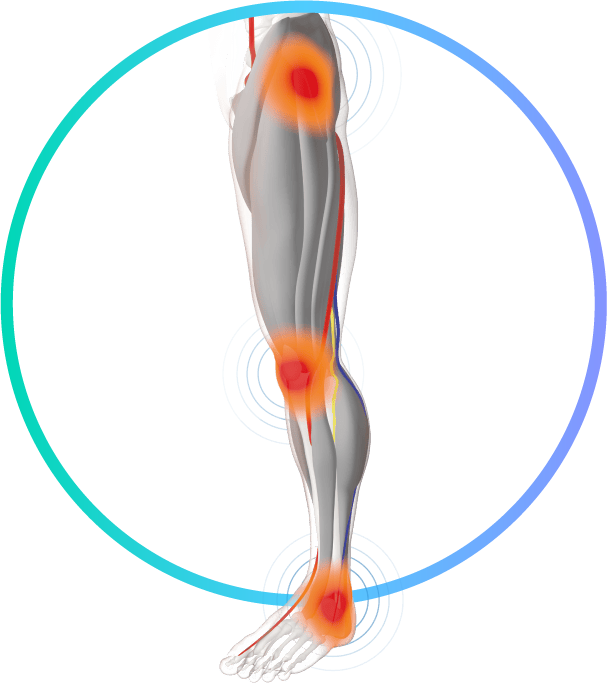

Reducing post-operative & trauma-based oedema
The geko® device has been demonstrated through multi-centre randomised controlled trials (RCTs) to be effective in managing post-operative and trauma-based oedema.
67%THA study >67% reduction in oedema compared to control arm. P=0.02 |
 |
X2F&A study A doubling in the rate to normality |
|
31%TKA study Reduced immediate post-operative oedema by 31% |
|
1TKA study Time to oedema reduction accelerated by 1 month post-operatively |
67%THA study >67% reduction in oedema compared to control arm. P=0.02 |
|
X2F&A study A doubling in the rate to normality |
31%TKA study Reduced immediate post-operative oedema by 31% |
|
1TKA study Time to oedema reduction accelerated by 1 month post-operatively |

Preventing venous thromboembolism (VTE)
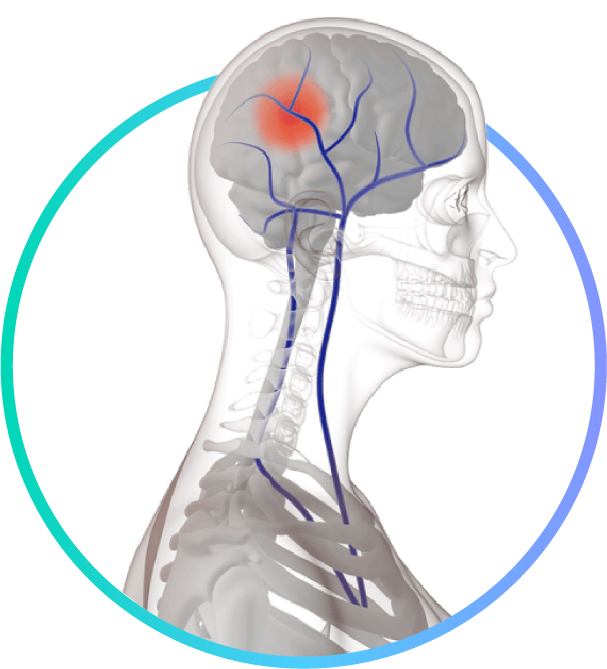
Standard VTE prevention methods like Intermittent Pneumatic Compression (IPC) are often unsuitable for high-risk stroke patients due to contraindications or intolerance, highlighting a significant unmet need. The geko device provides a viable alternative for these patients.
No VTEsNo DVT or PE reported in patients treated with the geko device, as the primary VTE prophylaxis. |
|
29%Up to 29.5% of acute stroke patients who were prescribed a mechanical intervention needed geko VTE prophylaxis. |
|
$484NICE guidance estimates a cost saving of $484 per patient. |
|
90%The geko device had a patient tolerance rate of 90.8%, which was more favorable than the 78.2% tolerance rate for IPC. |
No VTEsNo DVT or PE reported in patients treated with the geko device, as the primary VTE prophylaxis. |
|
29%Up to 29.5% of acute stroke patients who were prescribed a mechanical intervention needed geko VTE prophylaxis. |
$484NICE guidance estimates a cost saving of $484 per patient. |
|
90%The geko device had a patient tolerance rate of 90.8%, which was more favorable than the 78.2% tolerance rate for IPC. |

Clinical Applications of geko® Technology

geko® technology is available through two devices designed to support specific wound care and hospital applications by increasing blood flow through neuromuscular electrostimulation. Both devices are supported by a growing body of clinical evidence, including published studies, evidence summaries, clinical brochures and the geko® annotated bibliography.


geko® W3 – Wound Therapy
Designed for wound care applications, the geko® W3 device increases circulation to support wound healing and the prevention and treatment of oedema. By activating the calf and foot muscle pumps, the device enhances venous, arterial and microcirculatory blood flow, helping to create conditions favourable to wound healing.
The geko® W3 can be used across clinic, hospital and home-care settings as part of an appropriate wound management pathway.

Clinical evidence supporting the geko® W3 includes research into wound healing, lower-limb circulation and oedema management.
In a multi-centre randomised self-controlled trial evaluating geko® alongside standard compression therapy for venous leg ulcers, 42% of wounds in the geko® treatment arm had healed at 16 weeks compared with 27% receiving standard care alone, with 94% patient adherence reported.

geko® T3 – Hospital Applications
The geko® T3 device is designed for use across acute hospital applications, providing a non-invasive approach to increasing blood circulation, preventing venous thrombosis and supporting the prevention and treatment of oedema.
Small, wearable and designed to maintain patient mobility, the geko® T3 provides an alternative mechanical approach for appropriate patients, including where established methods of VTE prevention may be unsuitable or impractical.

Clinical evidence supporting the geko® T3 covers hospital applications including VTE prevention and the prevention and treatment of oedema.
Published evidence includes studies evaluating post-operative oedema following orthopaedic procedures and the use of geko® as a mechanical approach to VTE prophylaxis.
Supported by clinical evidence
geko® technology is supported by a growing body of clinical evidence across wound care and hospital applications. Explore the evidence supporting each device, including clinical studies, evidence summaries, brochures and the geko® annotated bibliography.
geko® W3 – Wound Therapy
Designed for wound care applications, the geko® W3 device increases circulation to support wound healing and the prevention and treatment of oedema. By activating the calf and foot muscle pumps, the device enhances venous, arterial and microcirculatory blood flow, helping to create conditions favourable to wound healing.
The geko® W3 can be used across clinic, hospital and home-care settings as part of an appropriate wound management pathway.
Clinical evidence supporting the geko® W3 includes research into wound healing, lower-limb circulation and oedema management.
In a multi-centre randomised self-controlled trial evaluating geko® alongside standard compression therapy for venous leg ulcers, 42% of wounds in the geko® treatment arm had healed at 16 weeks compared with 27% receiving standard care alone, with 94% patient adherence reported.
geko® T3 – Hospital Applications
The geko® T3 device is designed for use across acute hospital applications, providing a non-invasive approach to increasing blood circulation, preventing venous thrombosis and supporting the prevention and treatment of oedema.
Small, wearable and designed to maintain patient mobility, the geko® T3 provides an alternative mechanical approach for appropriate patients, including where established methods of VTE prevention may be unsuitable or impractical.
Clinical evidence supporting the geko® T3 covers hospital applications including VTE prevention and the prevention and treatment of oedema.
Published evidence includes studies evaluating post-operative oedema following orthopaedic procedures and the use of geko® as a mechanical approach to VTE prophylaxis.
Accelerating chronic wound healing
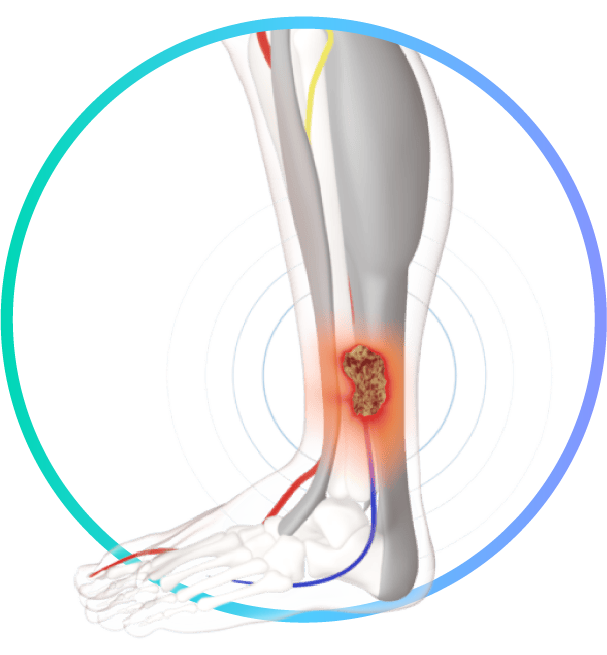
A multi-centre randomised self-controlled trial showed the geko device more than doubles the healing rate of venous leg ulcers when used with standard compression therapy. The study found a high patient adherence and a reduction in patient-reported pain.
X2The addition of the geko device to SOC more than doubled the rate of healing of VLUs compared with SOC alone (WMA, p=0.016; PAR, p=0.011). |
|
42%42% of wounds healed at 16 weeks in the geko device arm vs 27% in the SOC alone arm. |
|
94%94% of patients adhering to the geko device. |
|
52%52% of patients who completed the study reported a reduction in pain. |
X2The addition of the geko device to SOC more than doubled the rate of healing of VLUs compared with SOC alone (WMA, p=0.016; PAR, p=0.011). |
|
42%42% of wounds healed at 16 weeks in the geko device arm vs 27% in the SOC alone arm. |
94%94% of patients adhering to the geko device. |
|
52%52% of patients who completed the study reported a reduction in pain. |
ANZ. Unlocked.
Focused local expertise to help global MedTech brands enter, launch and grow.